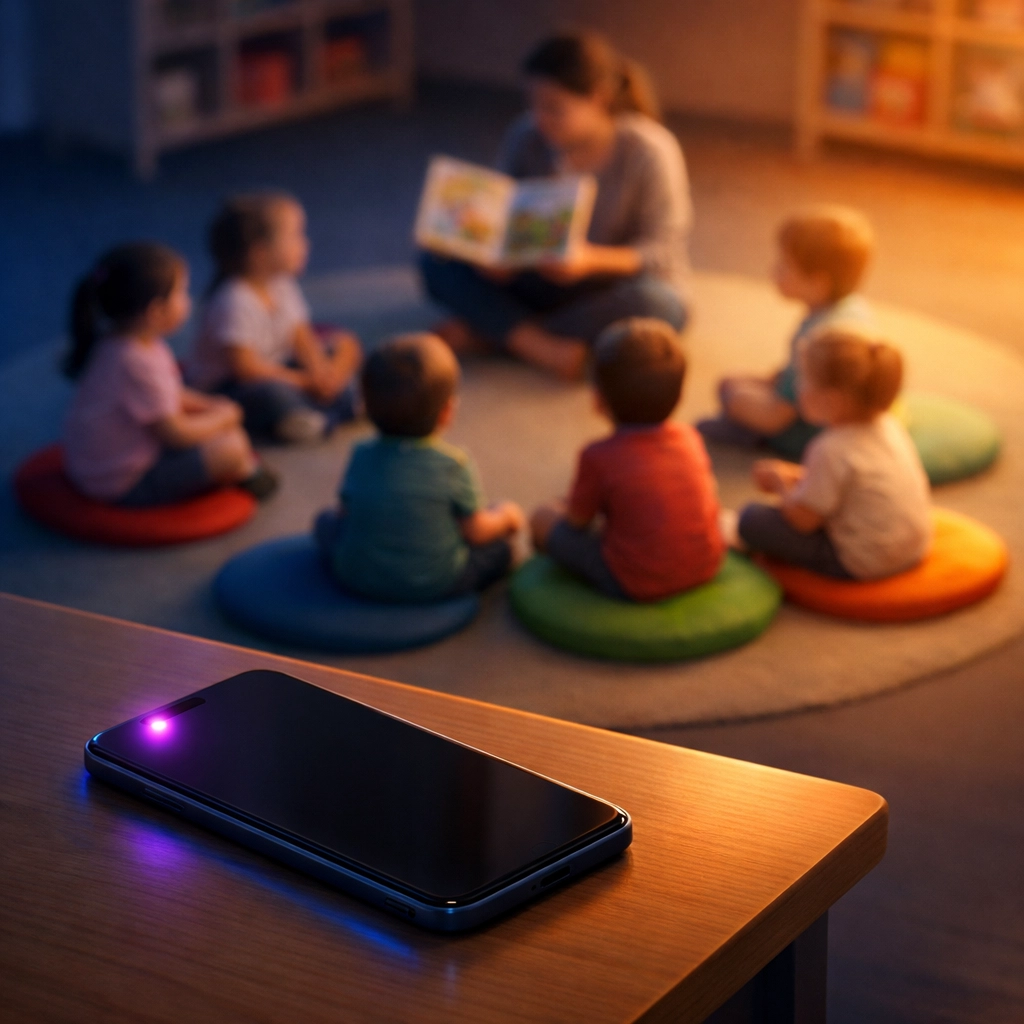
You're halfway through circle time when the phone rings.
You've got 12 toddlers who need supervision, a new family calling about enrollment, and exactly zero spare hands. So you let it ring. Then you feel guilty. Then you check voicemail during nap time and find out they already called two other centers.
This isn't a staffing problem. It's a reality problem.
Day care directors don't have a "phone person." You have teachers who are there to teach, caregivers who are there to care, and a business that needs new families to survive. The phone just happens at the worst possible times, during transitions, meals, outdoor play, or literally any moment when you can't step away.
The Hidden Cost of Missed Enrollment Calls
Most day care centers think they're losing one or two families a month to missed calls. The real number is higher.
When a parent searches "day care near me," they're calling three to five centers in the same sitting. Whoever picks up first, or responds first, usually gets the tour. If your phone goes to voicemail, you're not in that race. You're asking them to wait, leave a message, and hope you call back before someone else answers.
That's not how parents shop anymore.
You're also competing with centers that answer instantly. Not because they have more staff, but because they've set up a system that handles inquiries without pulling someone out of the classroom. When you miss that call, you're not just losing revenue. You're losing the chance to tell your story, explain your curriculum, and show what makes your program different.
And here's the brutal part: your marketing still worked. The parent found you. They called you. The breakdown happened at the last step.
Why "Just Hire Someone" Doesn't Solve It
The obvious answer is to hire a front desk person. But most day care centers can't afford a full-time admin, especially not one who works evenings, weekends, and during summer when call volume spikes.
You could rotate staff to cover the phone. But now you're pulling a teacher away from their classroom to answer questions about pricing, availability, and tour times. That teacher didn't sign up to be a sales rep. They signed up to work with kids.
Voicemail doesn't work either. Parents don't leave messages. And when they do, you're stuck playing phone tag during the only 20 minutes you had to prep for tomorrow.
The real issue isn't who answers the phone. It's that the phone demands immediate attention during moments when you literally cannot give it.
How an AI Receptionist Changes the Equation

An AI receptionist is designed to do one thing well: handle the first conversation so you don't have to.
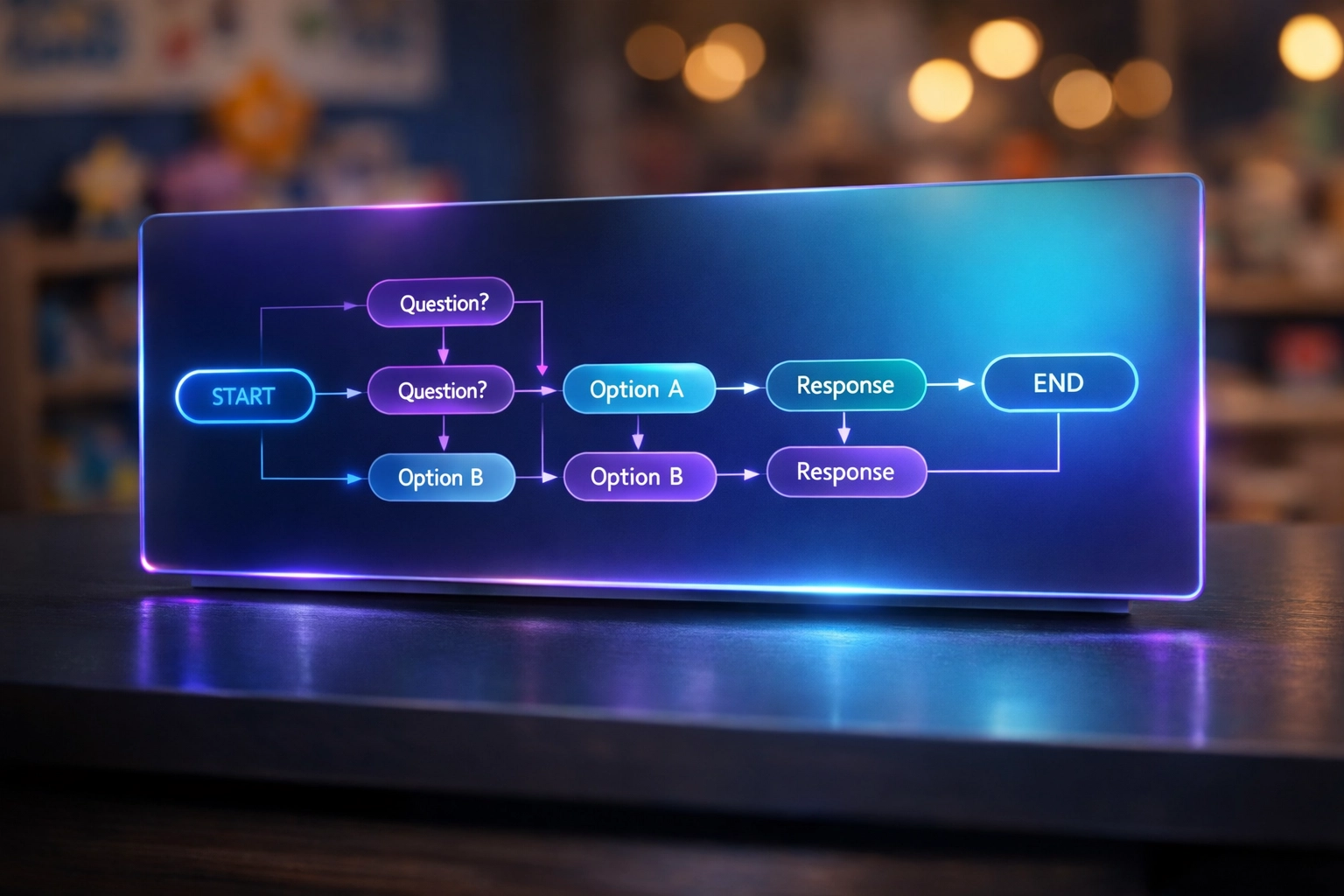
When a parent calls, the AI answers in under three seconds. It sounds like a real person. It asks a few questions, child's age, when they're looking to start, what program they're interested in, and it responds with actual information. Hours, pricing, availability, next steps.
If the family wants a tour, the AI checks your calendar and books it on the spot. If they have a specific question the AI can't answer, it takes their info and sends you a text summary. You follow up when you're free, not when the phone rings.
This isn't a chatbot that frustrates people. It's a 24/7 answering service that qualifies leads, books appointments, and keeps the conversation moving while you stay focused on the kids in front of you.
What It Actually Handles (and What It Doesn't)
Here's what a good AI receptionist does for day care centers:
- Answers calls instantly, even at 7 PM or on weekends
- Responds to common questions about age groups, hours, tuition, and curriculum
- Checks real-time availability in your enrollment system
- Books facility tours directly on your calendar
- Sends confirmation texts to parents with tour details
- Captures contact info for families on your waitlist
- Routes urgent calls (like a parent running late for pickup) to your cell
Here's what it doesn't do:
- Replace your judgment or expertise
- Handle emergencies that require human discretion
- Make enrollment decisions
- Answer nuanced questions about special needs or medical concerns
Think of it as a filter. It handles the repetitive stuff so you only get involved when you actually need to. The AI captures the lead. You close the enrollment.
The Missed Call Text Back Safety Net
Even with an AI receptionist, some calls slip through. Maybe your phone was off. Maybe the system had a hiccup. Maybe the parent hung up before the AI could answer.
That's where missed call text back comes in.
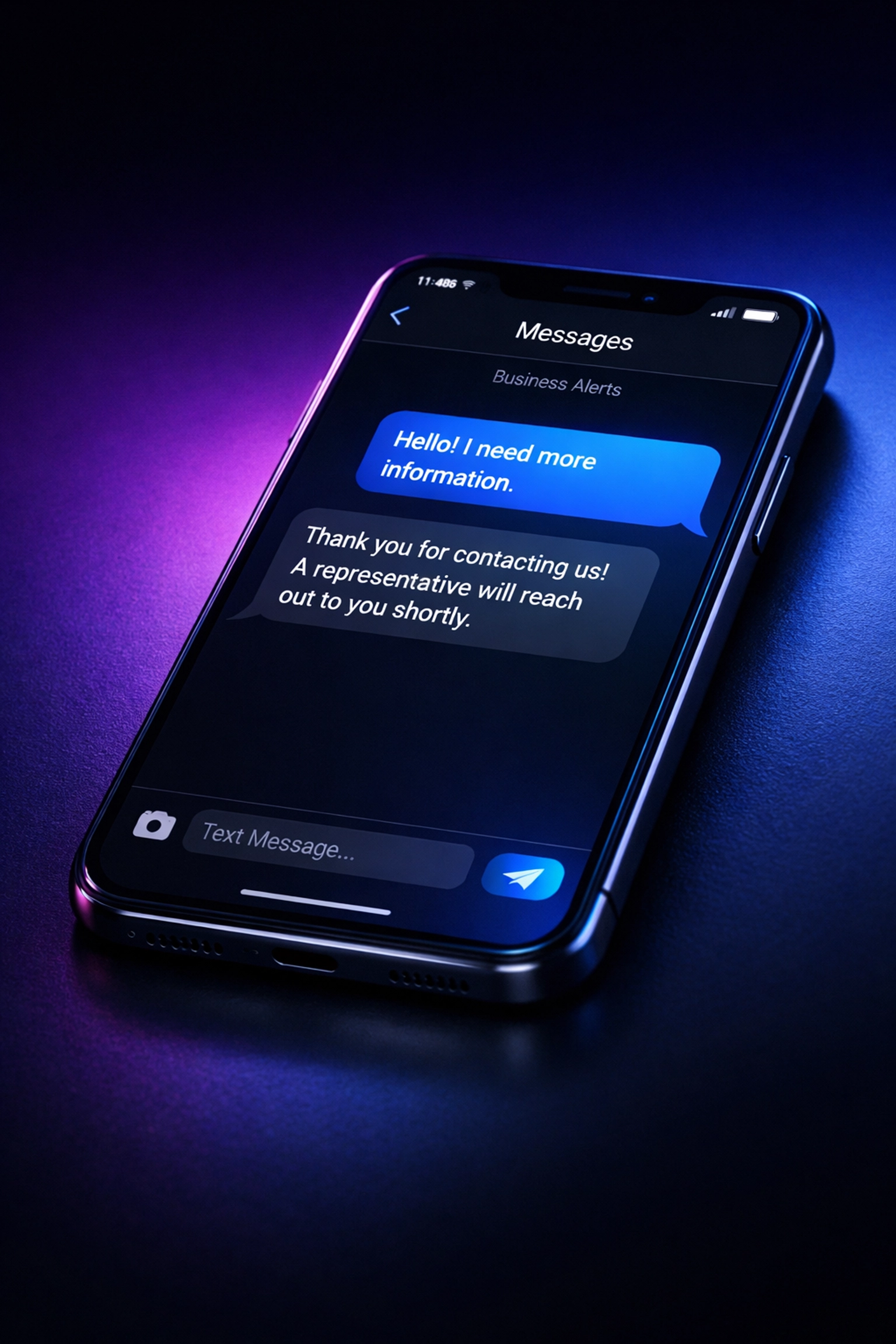
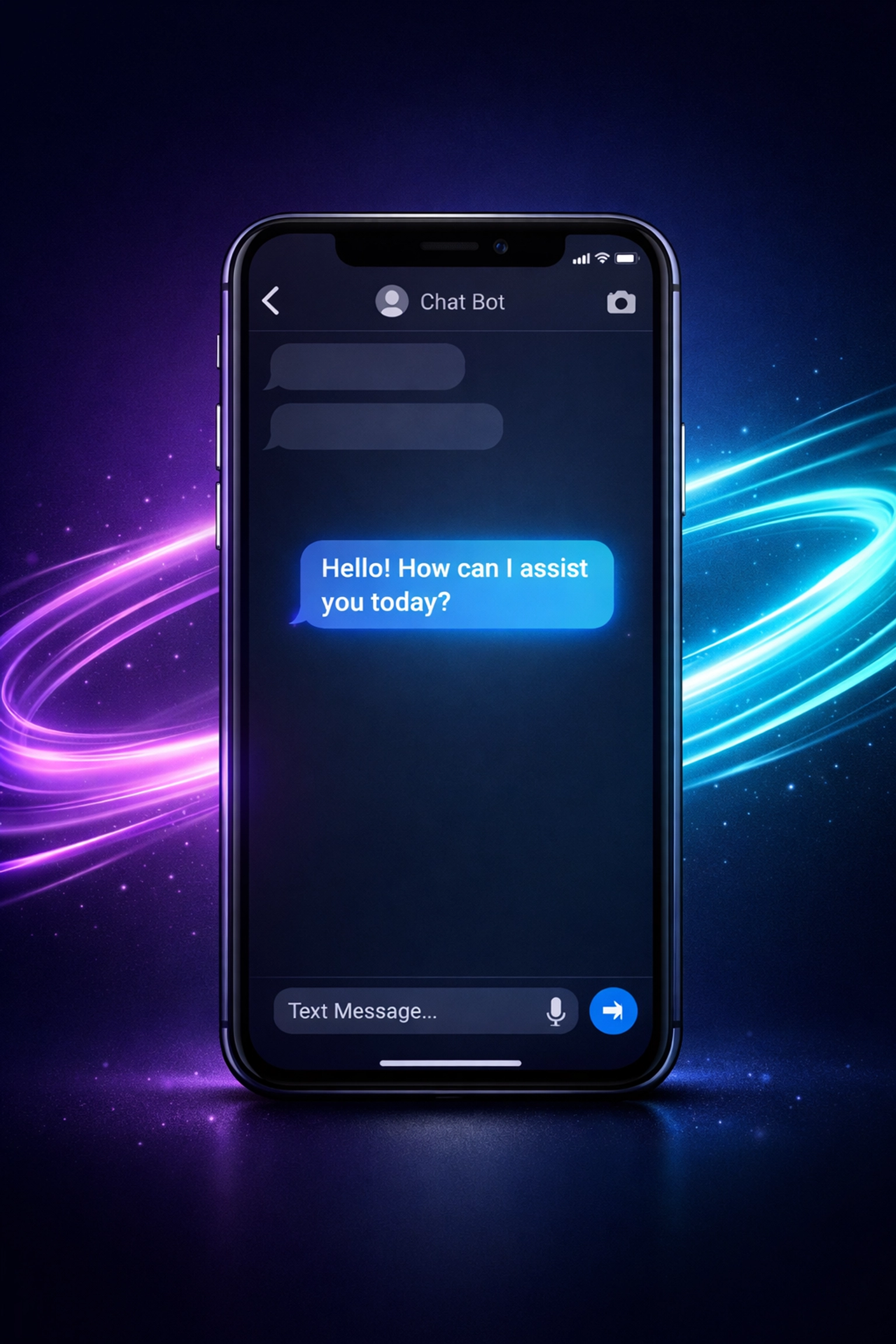
Within seconds of a missed call, the parent gets an automatic text: "Hi, this is [Your Center Name]. I see we just missed your call. What can we help with?" The parent can reply right there: no voicemail, no waiting.
Most parents prefer texting anyway. It's faster. It's less awkward. And it gives them time to type out their questions without feeling rushed.
You get a notification. You respond when you're between activities. The lead stays warm. The parent feels heard.
It's a small feature, but it closes the gap between "we missed you" and "we lost you."
What This Looks Like in Practice
Let's say you run a small day care with two classrooms and one director (you). Your phone rings about 15 times a day. Half are parents asking about enrollment. The other half are current families with questions, vendors, or spam.
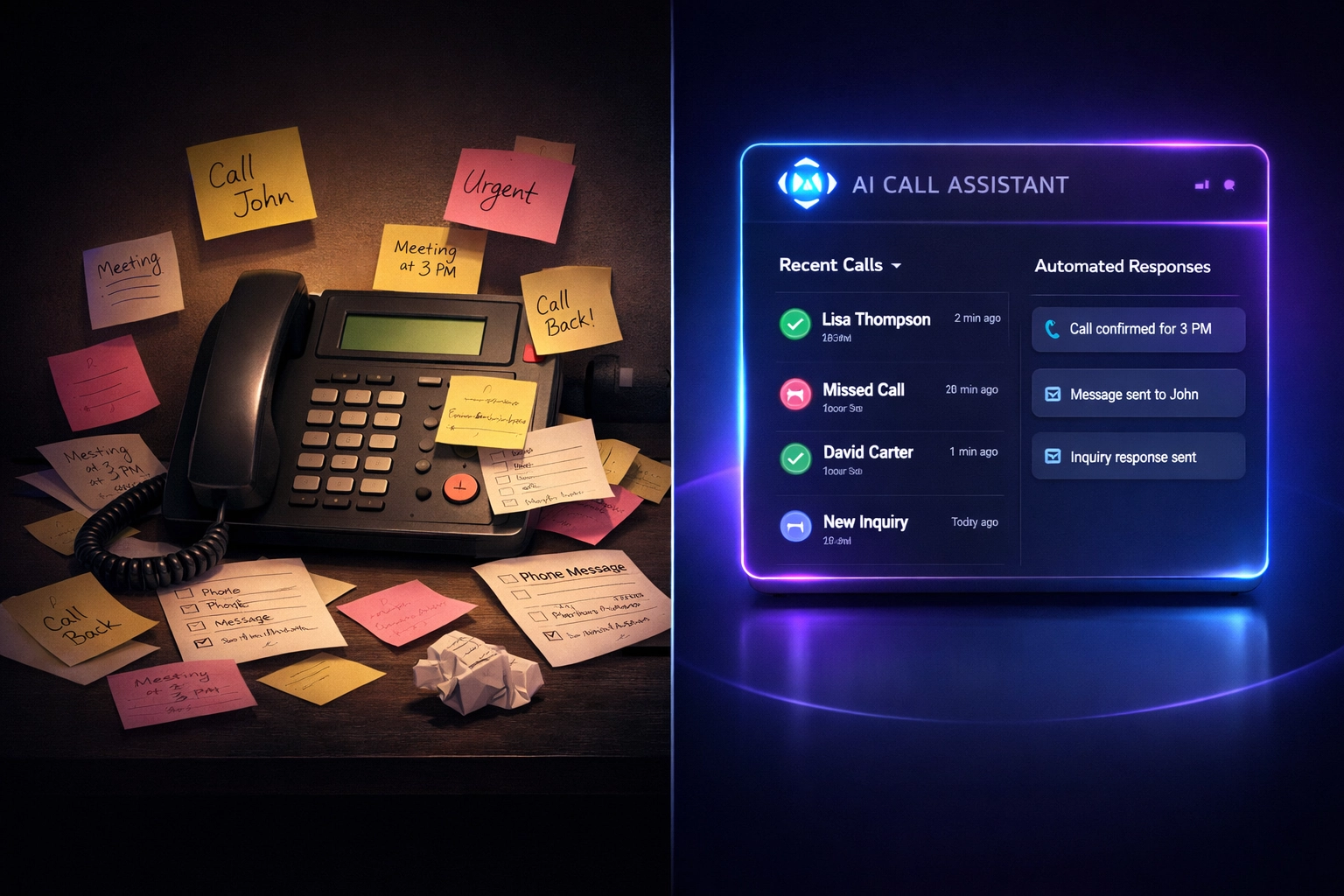
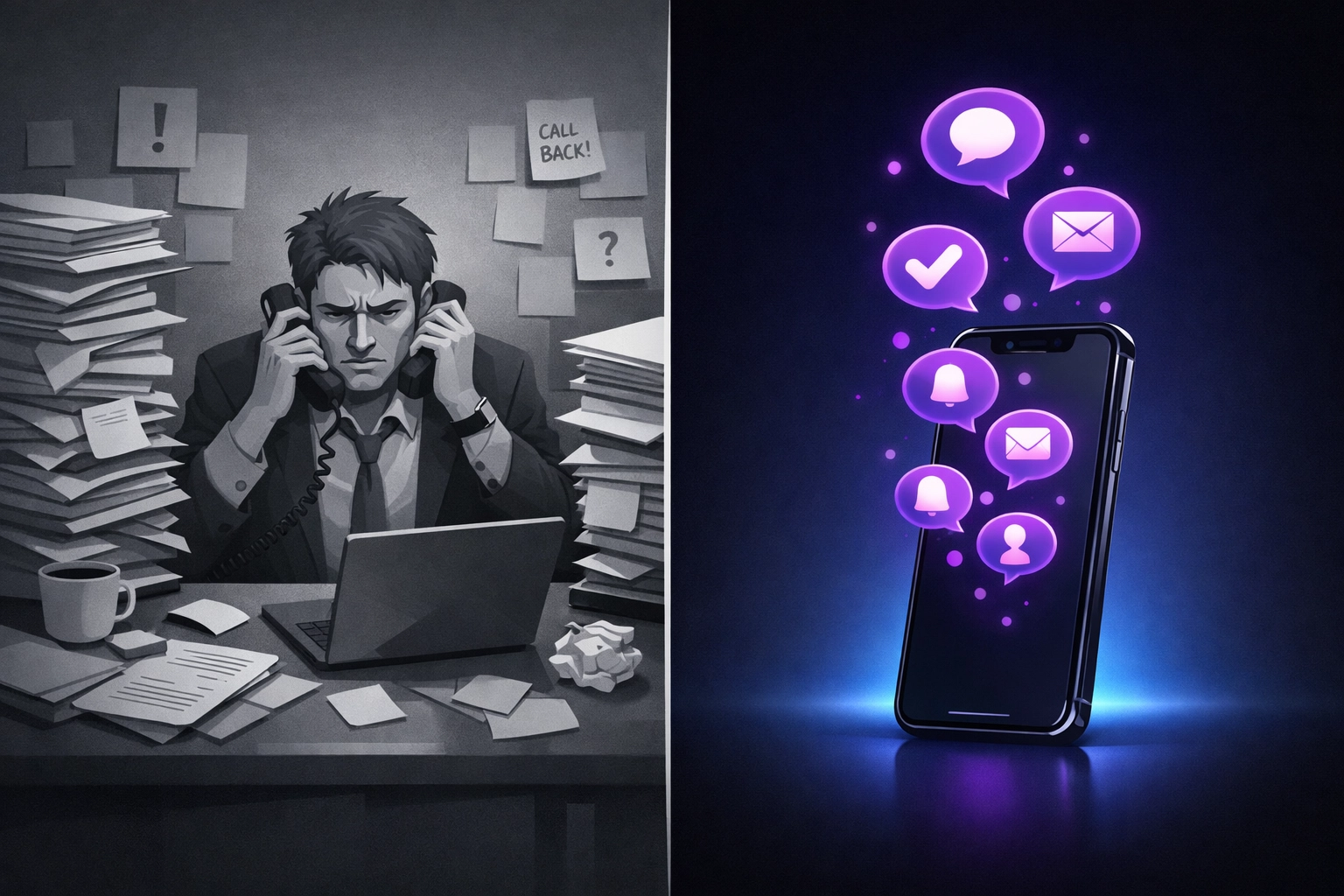
Before the AI receptionist:
- You answer maybe 6 of those calls
- You miss 9, and 3 of those are serious inquiries
- You spend 20 minutes a day playing phone tag
- You lose at least one new family a week to faster competitors
After the AI receptionist:
- All 15 calls get answered
- Enrollment questions get immediate responses and book their own tours
- Current parent questions get triaged (urgent calls come to you, simple questions get answered)
- You check text summaries once or twice a day instead of constantly monitoring your phone
- You recover missed inquiries with instant text back
You're not working less. You're working on what matters: building relationships with kids and families who are already enrolled, instead of being interrupted every 30 minutes.
It's Not About Replacing People. It's About Protecting Their Focus.
There's a worry that AI means you're cutting corners or automating away the human touch. That's not what this is.
Your staff are educators. They chose this field because they care about child development, not because they wanted to be receptionists. An AI receptionist doesn't replace them: it protects their time so they can do the job they signed up for.
When a teacher can stay present during storytime instead of running to grab the phone, that's better care. When you can plan curriculum instead of returning voicemail, that's better leadership. When a parent gets an instant answer at 8 PM instead of waiting until Monday, that's better service.
AI handles the logistics. You handle the relationships.
Setting It Up Takes About 10 Minutes
Most day care centers assume this kind of system requires IT support, integrations, and a week of training. It doesn't.
You forward your main line to the AI receptionist number. You give it access to your calendar (Google, Outlook, whatever you use). You tell it your hours, your programs, and your pricing. Done.
If a call comes in that the AI can't handle, it transfers to your cell or takes a message. You're still in control. You're just not tied to the phone anymore.
And if you decide it's not working, you turn off the forwarding and go back to how things were. No long-term contract. No expensive hardware. No risk.
The Bottom Line
Running a day care means choosing between answering the phone and supervising kids. That's not a fair choice. And it's not one you should have to make.
An AI receptionist and missed call text back system let you do both. Families get instant answers. You stay focused on the classroom. And you stop losing enrollment opportunities to centers that just happened to pick up faster.
If you're tired of feeling guilty every time the phone rings during circle time, let's talk. We'll show you exactly what it sounds like and how it works for your center.