
You’re running a business. You don't have time to decode Google’s mood swings every morning.
SEO used to be a dark art. You’d hire a "guru," pay a monthly retainer, and wait six months to see a single blue link on page one. Those days are over.
AI has leveled the playing field. For a small business owner, this is your secret weapon. It’s about working smarter, not just harder. It’s about using tools that think at the scale of the internet while you focus on your customers.
At Sndflo, we see it every day. Businesses that embrace AI don't just survive: they scale. They capture leads while their competitors are still sleeping.
Here is your five-step roadmap to mastering AI-based SEO and claiming your spot at the top.
Step 1: Conduct Smart Keyword Research with AI
Keywords are the foundation. If you target the wrong ones, you’re shouting into a void.
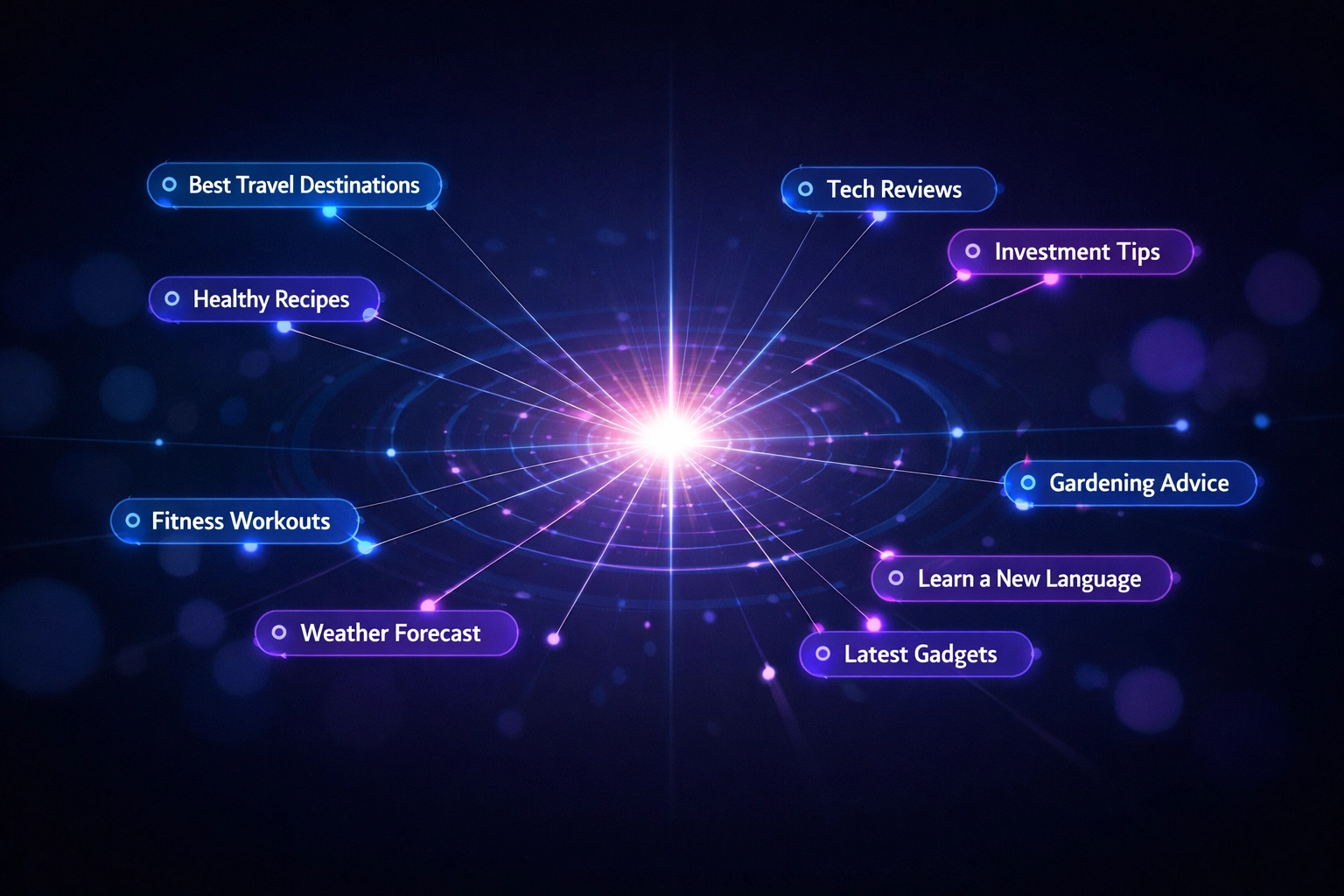
Traditional keyword research involves guessing. You look at volume and difficulty. But AI looks at intent. It asks: Why is this person searching?
Use AI-powered tools to analyze vast amounts of data in seconds. You aren't just looking for "plumber." You’re looking for "emergency water heater repair near me at 2 AM."
AI can categorize these into different awareness stages:
- Problem Unaware: "Why is my basement damp?"
- Solution Aware: "Best dehumidifiers for basements."
- Ready to Buy: "Basement waterproofing quotes [Your City]."
Don't just chase high-volume terms. Everyone else is doing that. Use AI to find the "long-tail" phrases: the specific questions your customers are actually asking. This is how you win.
Step 2: Optimize Your Local Presence
If you serve a specific area, local SEO is your lifeblood.
Most people don't go to page two of Google. For local services, they don't even look past the "Map Pack." You need to be in those top three spots.
Start with your Google Business Profile (GBP). It’s free. It’s powerful. And AI can help you dominate it.
Use AI to analyze your competitors' profiles. What categories are they using? What keywords are in their descriptions? Then, go a step further. Implement a local context layer.
Instead of writing generic advice about home maintenance, write about local challenges. "How the humidity in [Your City] affects your HVAC system." This tells Google you aren't just a business: you’re a local authority.
Optimize for voice search, too. People ask Alexa or Siri questions like they’re talking to a friend. "Where is the best coffee shop open now?" Use conversational, question-based content to catch these leads.
Step 3: Create High-Quality, AI-Enhanced Content
Here is the golden rule: Don't let AI write your content from scratch.
Google can spot low-effort, AI-generated fluff from a mile away. It wants expertise, experience, and authority. It wants you.
Think of AI as your intelligence amplifier. It’s the ultimate research assistant. Use it to:
- Compile industry studies in seconds.
- Analyze 20 different angles for a single topic.
- Suggest a logical structure for a complex guide.
- Identify gaps in your competitors' articles.
Feed the AI your competitors' top content. Ask it: "What did they miss?" Then, fill that gap.
If they wrote about "How to paint a house," you write about "How to paint a Victorian home in [Your City] without ruining the trim." It’s specific. It’s helpful. It’s exactly what Google wants.

Step 4: Implement Technical SEO and Schema Optimization
Your website needs to be fast. It needs to be mobile-friendly. And it needs to speak "search engine."
Technical SEO often scares small business owners. It sounds like code. But AI makes this accessible. Use AI-powered audit tools to scan your site for broken links, slow pages, and outdated content.
Then, there’s Schema markup. Think of this as a translator for search engines. It’s a bit of code that tells Google exactly what your data means.
If you have a 5-star rating, Schema tells Google: "This is a review." If you have a price, it says: "This is a product cost." AI can generate this code for you instantly. No developer degree required.
Performance matters. If your site takes five seconds to load, your SEO efforts are wasted. High-performance Web Hosting is the silent partner in your SEO strategy. If your host is slow, your ranking will suffer. Simple as that.

Step 5: Leverage AI Analytics to Track and Refine
SEO is not a "set it and forget it" project. It’s a cycle.
AI-powered analytics provide insights that standard dashboards miss. They identify patterns. They show you where users are dropping off.
Are people clicking your link but leaving within three seconds? Your content might not match their intent. Is one specific blog post driving 80% of your leads? Double down on that topic.
Don't ignore your reviews. Google’s AI summarizes reviews in the map pack. If ten people mention your "fast service," Google will highlight that.
Encourage customers to be specific. Instead of "Great job," ask them to mention the service. "The team was great at fixing my burst pipe." This is organic, high-value SEO content that you don't even have to write.

Your Implementation Timeline
Don't try to do everything today. You have a business to run. Follow this 90-day plan to see real results.
This Week: The Audit
Audit your current content. Identify your top 10 most important pages. These are your "money pages." Use an AI tool to check for technical errors and keyword opportunities on these pages specifically.
Next 30 Days: The Foundation
Develop a content strategy around your core services. Optimize your Google Business Profile. Start responding to every single review: past and present. This builds trust with both customers and algorithms.
Next 90 Days: The Authority
Create "pillar content." These are deep-dive guides into your primary service areas. Implement advanced technical SEO like Schema markup.
By day 90, you won't just be "on Google." You’ll be the answer people find when they’re ready to spend money.
Scaling Without the Headache
SEO is a long game, but it’s the most sustainable way to grow.
As your rankings improve, your phone will start ringing more. This is where many small businesses hit a wall. They can't handle the new leads.
You don't need a massive hiring budget to handle growth. AI receptionists can manage the influx of calls that your new SEO strategy generates. They work 24/7, never take a sick day, and ensure you never miss a lead from a "near me" search.
Mastering AI-based SEO isn't about being a tech genius. It’s about using the right tools to show the world you’re the best at what you do.
Let's get to work. Your customers are searching for you right now.
Will they find you, or your competitor?
Leave a Reply