
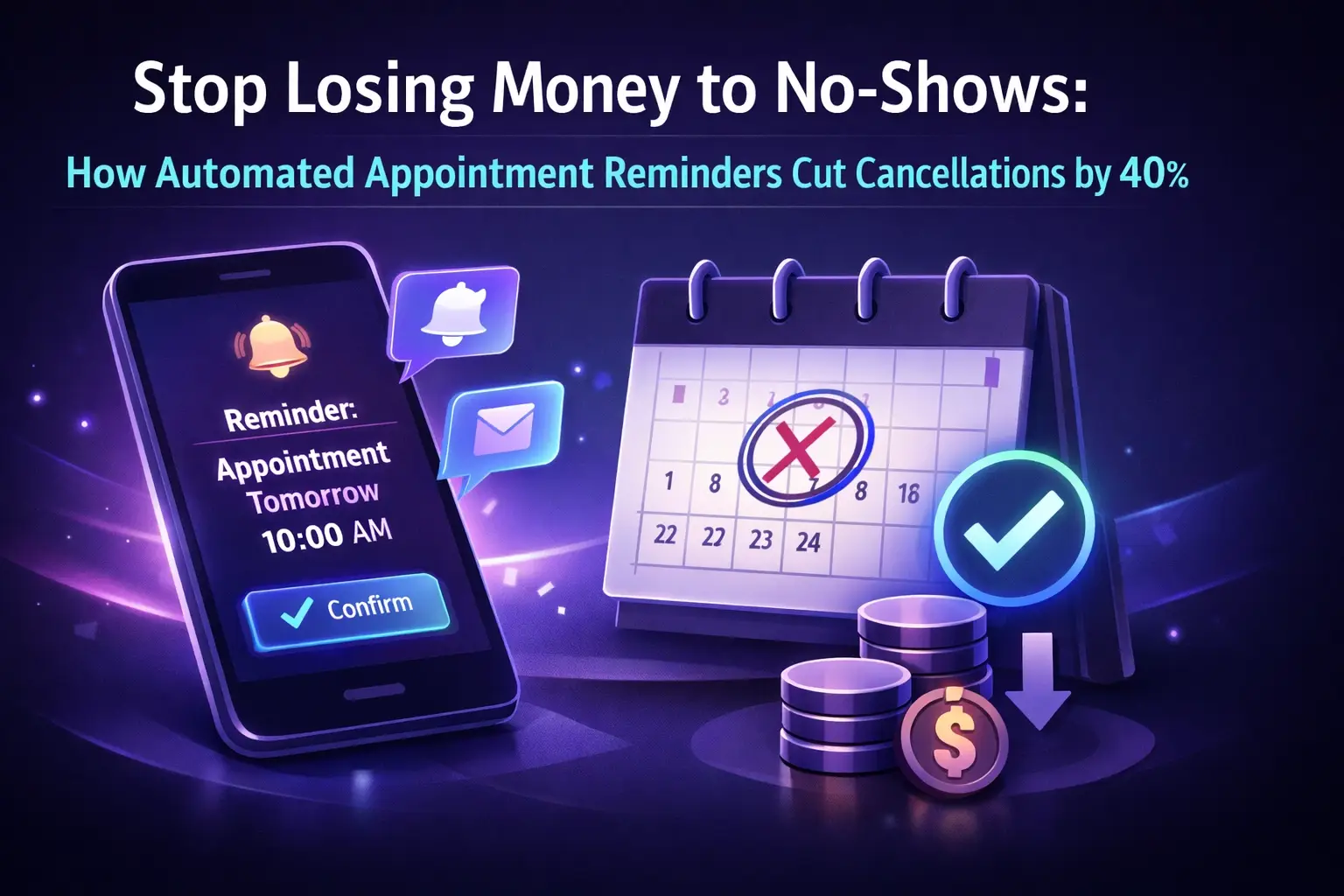
Every empty appointment slot is money walking out your door.
A patient who doesn't show. A client who forgets. A customer who got busy. You've blocked that time. You've turned away other appointments. And now you're sitting there with nothing to show for it.
The average no-show rate across service businesses hovers around 20-30%. For a medical practice seeing 100 patients per week, that's 20-30 missed appointments. At $150 per visit, you're losing $3,000 to $4,500 every single week.
That's $234,000 per year. Gone.
But here's what most business owners don't realize, you can cut that number by 40% or more with a system that costs less than your monthly coffee budget.
The Real Cost of No-Shows Goes Beyond Lost Revenue
You already know no-shows hurt your bottom line. But the damage runs deeper than the obvious lost appointment fee.
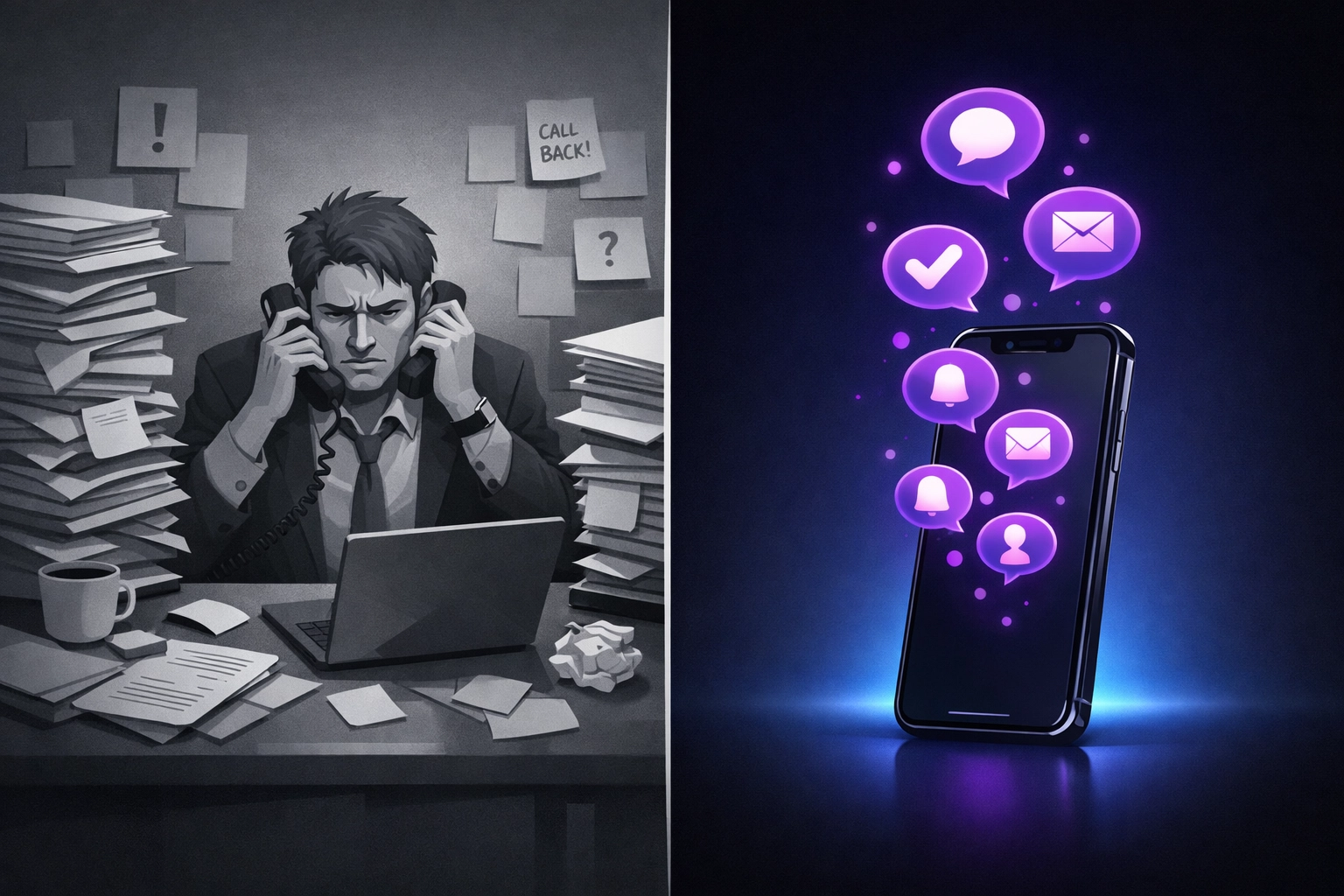
Your staff spends hours calling patients to confirm appointments. They're playing phone tag, leaving voicemails, and manually updating your calendar. That's time they could spend on revenue-generating activities or actual patient care.
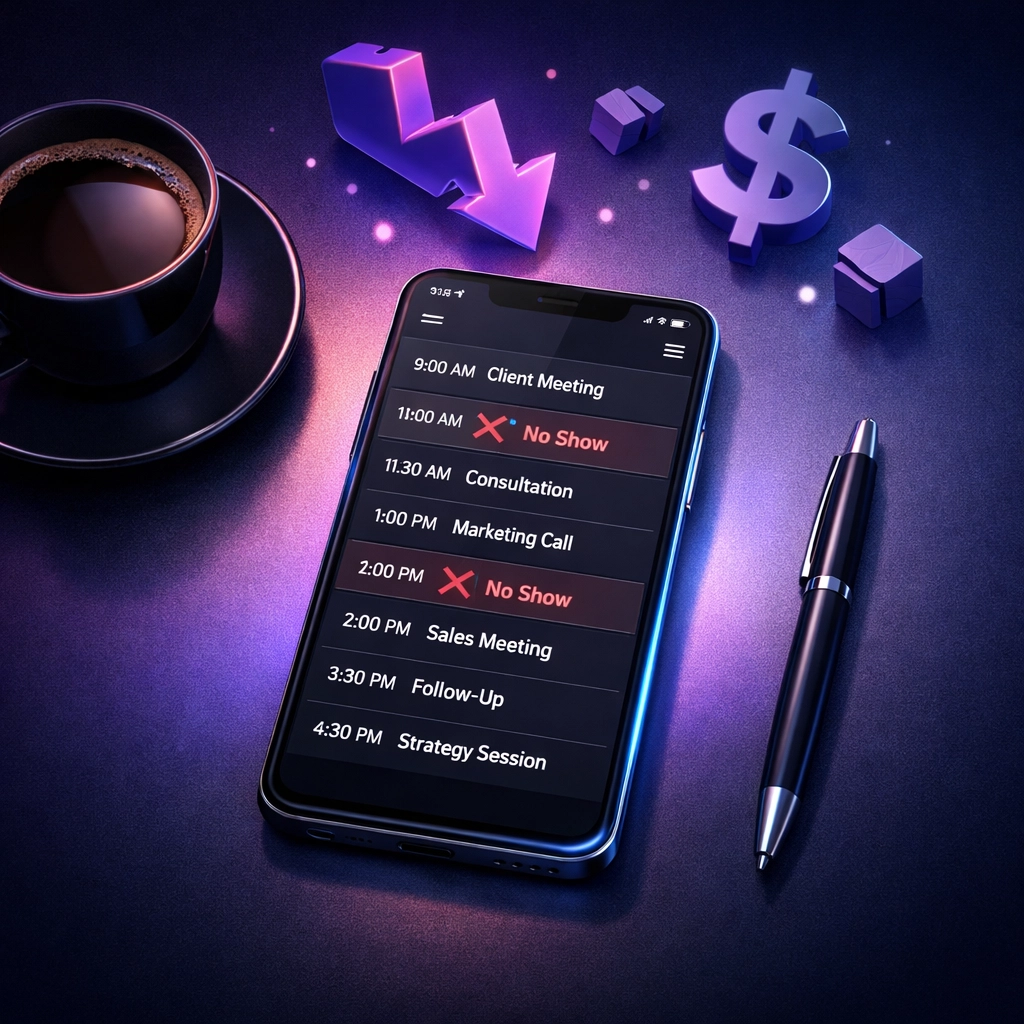
Then there's the opportunity cost. When someone no-shows, you can't fill that slot with another patient who actually needs you. You've turned away revenue twice, once when you blocked the time, and again when you couldn't backfill it.
Your schedule becomes unreliable. You can't accurately predict your day. Some days you're slammed, others you're scrambling to look busy. That unpredictability makes everything harder, staffing, inventory, cash flow planning.
And if you're in healthcare, there's another cost you can't ignore. Patients who miss appointments don't get the care they need. Conditions worsen. Follow-ups get missed. Health outcomes suffer.
Why Your Current Reminder System Isn't Working
Most small businesses handle appointment reminders one of three ways. None of them work well.
Manual phone calls eat up staff time and rarely reach people. You leave voicemails that get ignored. You play phone tag for days. And half your patients don't even answer calls from numbers they don't recognize.
Email reminders get buried in spam folders or ignored in crowded inboxes. The average office worker receives 121 emails per day. Your appointment reminder is competing with work emails, newsletters, and promotional messages. It doesn't stand a chance.
Nothing at all because you're too busy running your business. Patients are supposed to remember their appointments. Except they don't. Because life happens.
The problem isn't your patients. It's your system.
How Automated SMS Reminders Actually Work
Text messages get opened. That's the difference.
SMS messages have a 98% open rate compared to 20% for emails. And 90% of texts get read within three minutes of delivery. When you send someone a text reminder, they see it. When they see it, they respond to it.
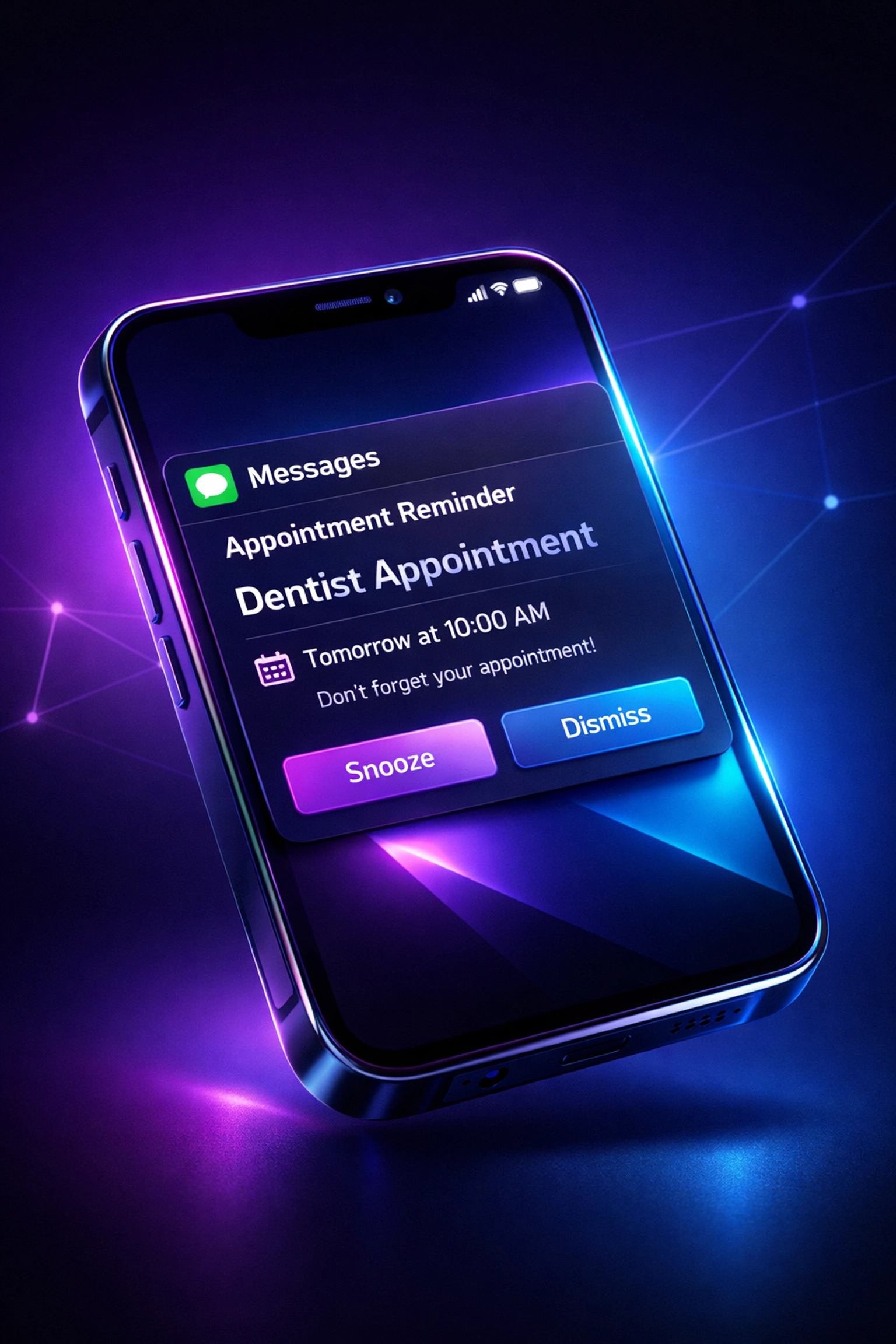
Here's how an automated system like Sndflo handles your appointment reminders:
Your calendar syncs automatically. When you book an appointment, whether through your practice management system, Google Calendar, or any scheduling platform, the reminder system picks it up instantly. No manual entry required.
The system sends reminders at optimal times. Research shows that text messages sent at 6 PM achieve 41.4% higher confirmation rates than those sent at noon. Your reminders go out exactly when patients are most likely to respond, typically 48 hours before the appointment, then again 24 hours before.
Patients can respond directly. They text back to confirm, reschedule, or cancel. The system updates your calendar automatically. No phone tag. No missed messages. No confusion.
If they reschedule or cancel, your staff gets notified immediately. That gives you time to fill the slot with another patient from your waiting list.
The Data Doesn't Lie: 40% Fewer No-Shows
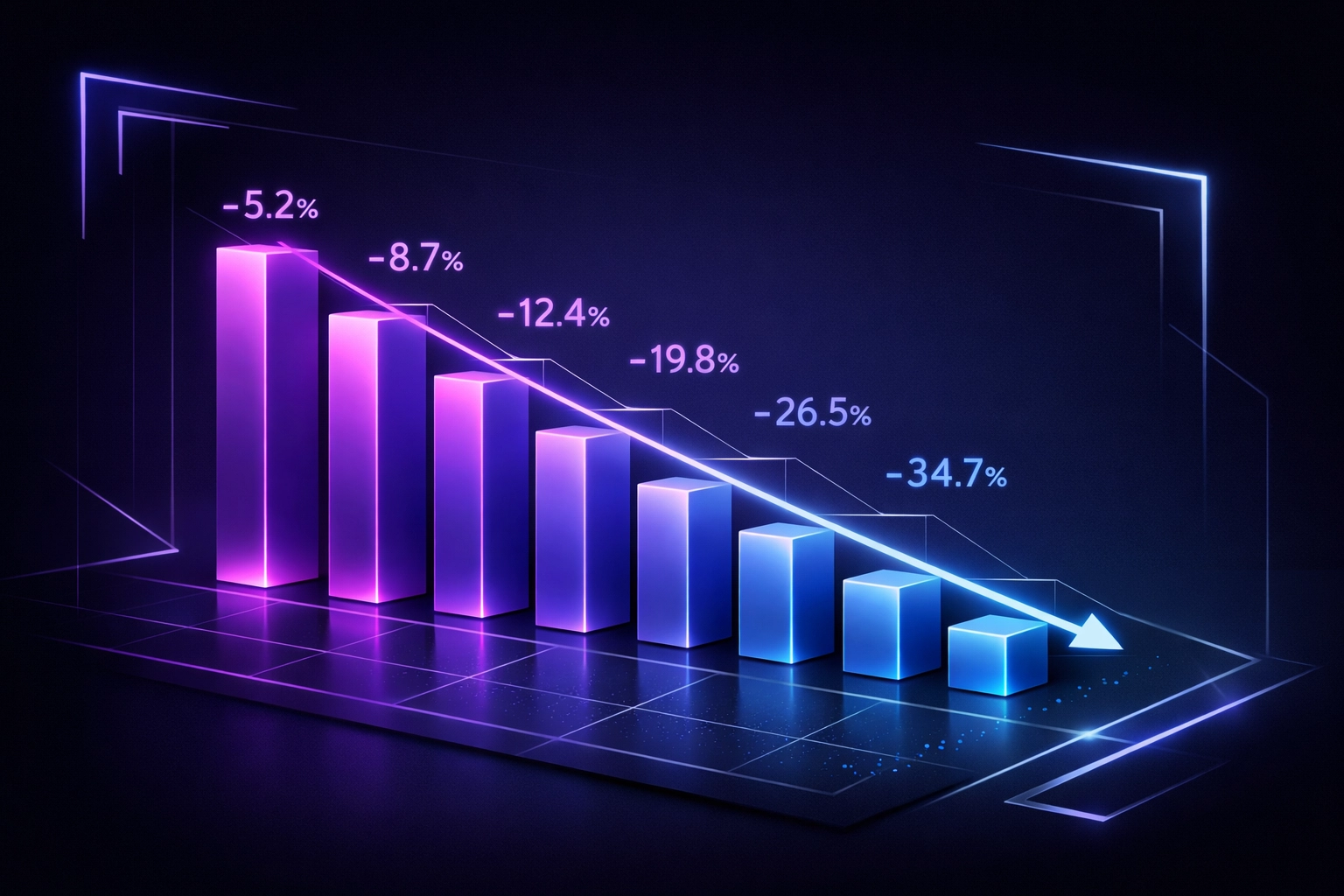
Mayo Clinic's Jacksonville facility cut no-shows by nearly 50% with automated text reminders. Dignity Health saw a 25% decrease after implementing automated scheduling. Optum reduced missed appointments by 30%.
Health PEI's obstetrics clinic achieved a 69% reduction in no-shows through consistent automated reminders.
A systematic review of 29 studies found that 97% demonstrated improved attendance rates with patient reminders. Patients who received automated reminders showed a 34% average reduction in missed appointments.
Here's what that means for your business:
If you're currently losing $234,000 per year to no-shows, a 40% reduction saves you $93,600 annually. That's enough to hire another staff member, upgrade your equipment, or finally take that vacation you've been putting off.
For a salon booking 200 appointments per week at $75 each, dropping your no-show rate from 25% to 15% recovers $39,000 per year.
For a home services business with an average job value of $300, reducing no-shows by 40% on just 20 weekly appointments adds $124,800 to your annual revenue.
Industry-Specific Benefits You Can't Ignore
Medical and dental practices see the highest impact. One healthcare system recovered $31,457 in lost revenue for every 1,600 appointments by implementing automated reminders. They also saved 500+ hours of staff time annually, time that staff redirected toward patient care instead of phone calls.
Automated reminders also improve patient health outcomes. When patients actually show up for appointments, they get the preventive care, follow-ups, and treatments they need. Chronic conditions stay managed. Preventable complications get prevented.
Salons and spas deal with especially high no-show rates because appointments feel less urgent than medical visits. Automated reminders cut through that perception. When your client gets a text the day before asking them to confirm, that appointment becomes real again. They either show up or give you enough notice to fill the slot.
Home services businesses face unique challenges. Your technicians drive to job sites. If someone no-shows, you've wasted drive time, fuel, and the opportunity to serve another customer. Automated reminders reduce those wasted trips dramatically. They also let customers reschedule before you've already loaded up the truck.
How Sndflo Handles This for You
Sndflo's automated reminder system integrates directly with your existing calendar. Google Calendar, Outlook, your practice management software, it connects to whatever you're already using. No switching systems. No manual exports.
You set your reminder preferences once. How many days before the appointment. What time of day. What the message should say. Then the system runs automatically.
When someone books an appointment, they're in the system. When the reminder time hits, they get a text. When they respond, your calendar updates. You don't touch any of it.
The system handles multiple appointment types differently. A routine checkup gets different reminder timing than an urgent consultation. A haircut gets different messaging than a root canal. You configure it once based on your business rules, then it runs on autopilot.
If someone tries to reschedule via text, Sndflo can handle that conversation directly. The AI understands natural language. If they say "can I move this to next Tuesday at 2?" the system checks your availability and either books it or offers alternatives. No human intervention required unless the AI encounters something complex.
The cost? Around $0.14 per contacted patient. Compare that to $0.90 for manual telephone reminders. Plus the staff hours you're not spending on the phone.
Getting Started Takes Less Time Than Your Morning Coffee
You don't need to overhaul your entire practice management system. You don't need IT support. You definitely don't need to hire someone to manage this.
Connect your calendar. Choose your reminder settings. Write your message template. Done.
Most businesses see results within the first week. Patients start confirming appointments. No-shows drop. Your schedule becomes predictable again.
Organizations that implement automated appointment reminders report higher revenue, better patient compliance, improved appointment utilization, and fewer unfilled appointments. 88% of healthcare leaders say the benefits extend beyond just reducing no-shows.
Your empty appointment slots represent the easiest money you'll ever recover. You're not trying to find new customers. You're not launching a marketing campaign. You're just making sure the patients who already trust you actually show up.
The math is simple. If automated reminders cost you $200 per month and save you even $2,000 in recovered no-shows, that's a 10X return. Most businesses see returns far higher than that.
You can keep calling patients manually. You can keep losing $234,000 per year to no-shows. Or you can let a system handle it for you while you focus on actually running your business.
The choice is obvious. The question is whether you'll make it today or six months from now after you've lost another $117,000 to preventable no-shows.
Ready to stop losing money to missed appointments? Visit sndflo.com to see how automated reminders integrate with your existing workflow: no complicated setup required.
Leave a Reply