
Let's cut through the marketing fluff.
You've seen the ads. Every answering service claims your business will collapse without 24/7 phone coverage. That every missed call equals lost revenue. That your competitors are already doing it.
Some of that is true. Some of it isn't.
Here's what you actually need to know.
When You Really Need 24/7 Phone Coverage
Not every business needs round-the-clock answering. But some absolutely do.
You need a 24/7 answering service if:
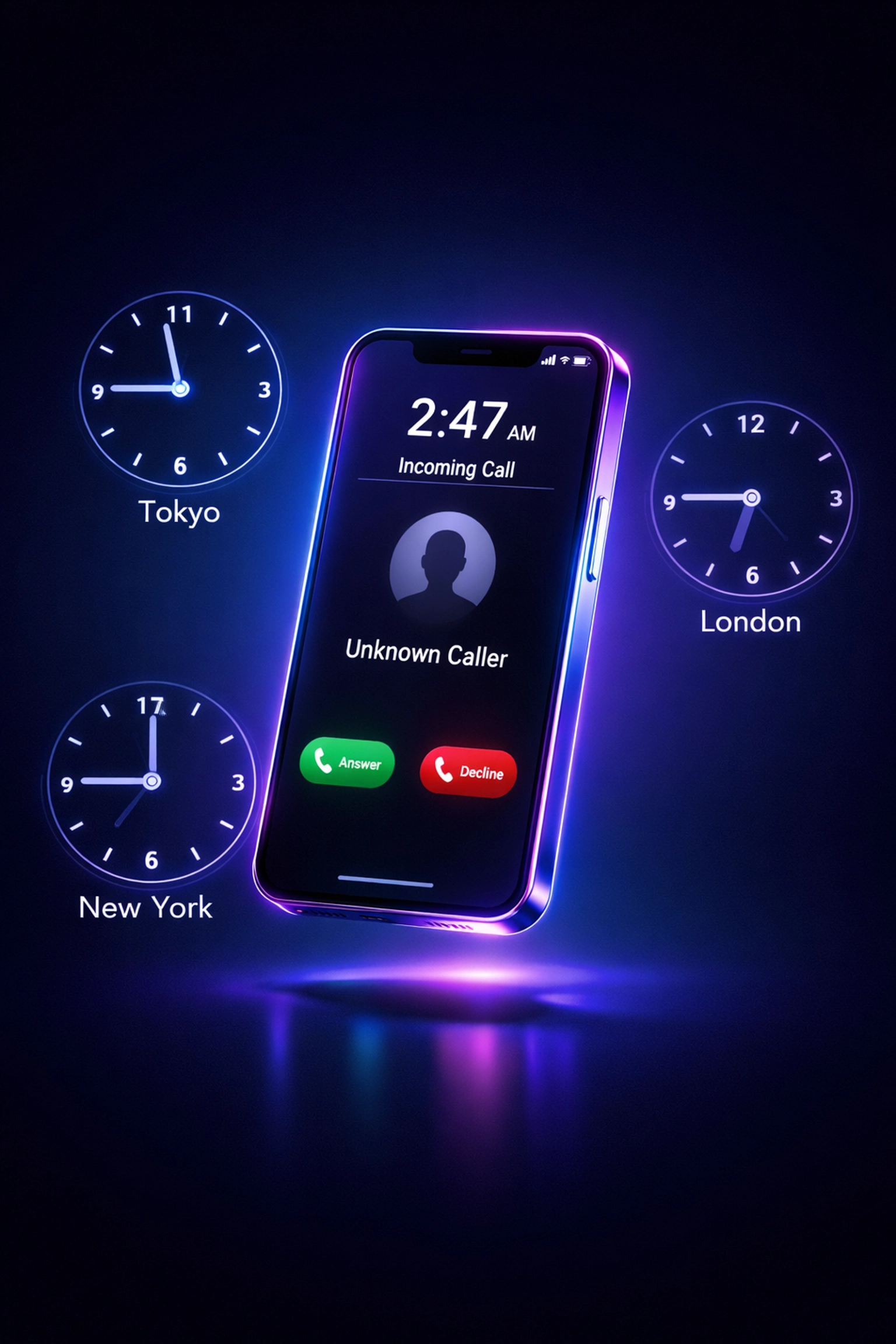
Your customers operate in different time zones. If you serve clients across the country or internationally, your 5 PM is someone else's 8 AM. They're calling during their business hours , which happen to be your off-hours.
You handle emergencies or urgent requests. HVAC companies get calls about broken furnaces at 2 AM. Plumbers deal with burst pipes on Sundays. Medical practices handle patient concerns after hours. If your service involves emergencies, you can't afford to miss those calls.
You're competing for high-value leads. In real estate, legal services, or B2B sales, the first person to respond often wins the deal. When someone's ready to buy or hire, they're calling multiple providers. If you don't answer, your competitor will.
Your customers expect it. Some industries have trained customers to expect 24/7 availability. If everyone in your space offers it and you don't, you look behind the times.
The Real Cost of Missed After-Hours Calls
Let's talk numbers.
The average business loses around $1.6 million per year from missed calls. That's not a typo. Most of that happens outside regular business hours.
Here's why after-hours calls matter more than you think:
After-hours leads convert better. Data shows that leads who call outside business hours convert 10-15% higher when answered live. These aren't casual browsers , they're motivated buyers who've decided to act. Right now. Not tomorrow.
Your voicemail isn't working. Most people don't leave voicemails anymore. They hang up and call the next business on their list. You don't even know you missed them.
Callbacks don't convert the same. Even if someone leaves a message, returning their call the next morning means competing with everyone else they contacted overnight. You've lost the advantage.
Think about your average customer value. Now think about how many calls you're missing each week after 5 PM, on weekends, during lunch. Do the math. It adds up fast.
When 24/7 Coverage Is Overkill
Now for the honest part , sometimes 24/7 answering is overkill.
You probably don't need it if:
You get two calls a week after hours. If your phone rarely rings outside business hours, you're solving a problem you don't have. Check your call logs first.
Your business model doesn't support it. If you run a boutique that only takes walk-ins, or a service that requires same-day scheduling during business hours, after-hours calls won't convert anyway.
You're a team of one. If you're a solo operator who can't deliver services outside your working hours, answering those calls just creates expectations you can't meet.
Your margins are too thin. If you're running on razor-thin profit margins and barely making it work, adding an answering service might not make financial sense , yet.
The key word is "yet." As you grow, what doesn't make sense today might become essential tomorrow.
The Traditional Answering Service Problem
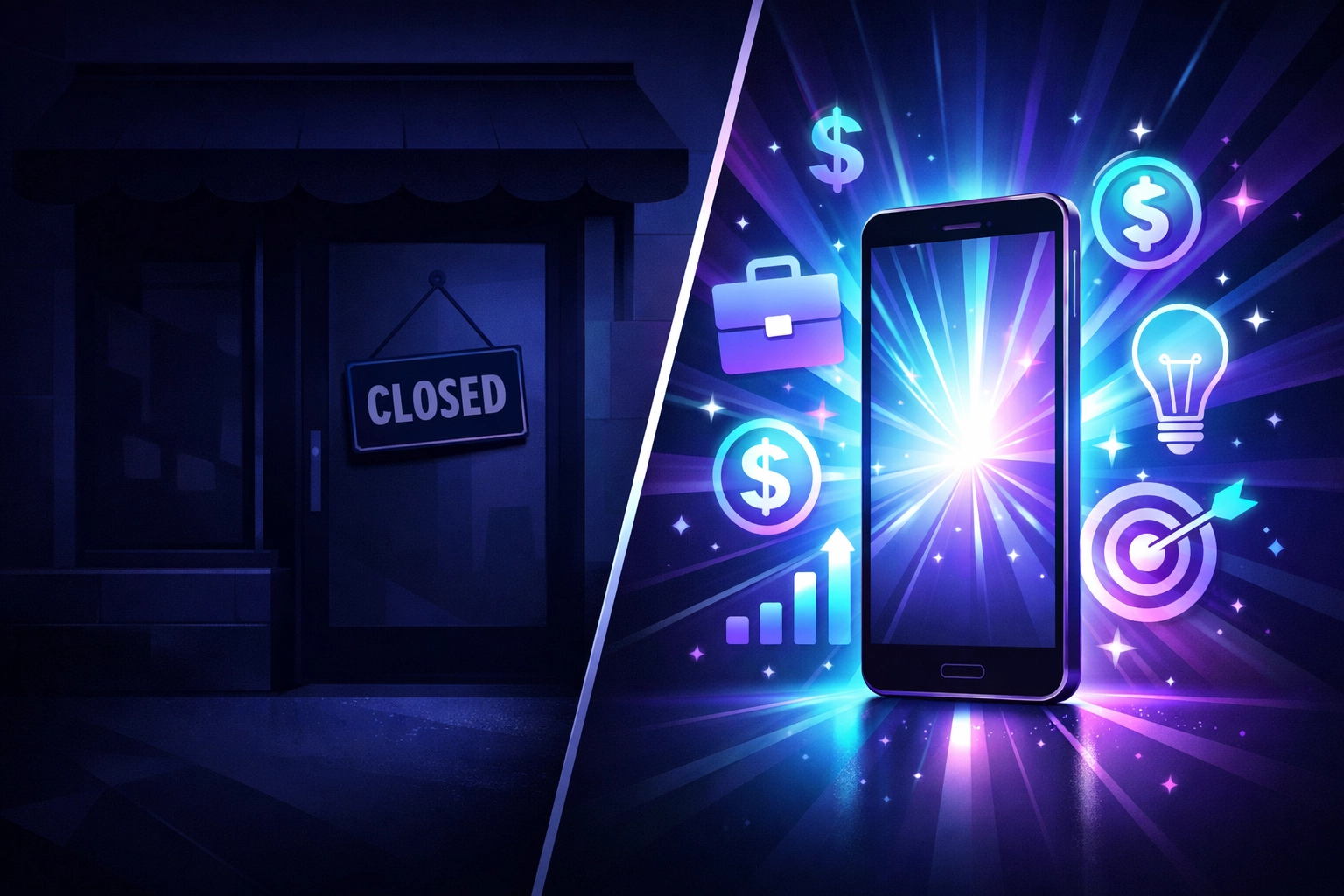
Let's say you've decided you need 24/7 coverage. The traditional answer is hiring a human answering service.
Here's what that looks like:
Expensive. Human answering services typically cost $1-3 per call, with monthly minimums ranging from $100-500. Scale that across dozens or hundreds of calls, and you're looking at serious money.
Inconsistent. Different operators handle your calls differently. Some are great. Some are rushed. Your brand experience varies wildly depending on who picks up.
Limited capabilities. Most answering services take messages. That's it. They can't book appointments, access your calendar, or handle complex routing. They're just expensive voicemail.
Training headaches. Every time you update your services, pricing, or procedures, you need to retrain their team. That takes time and rarely sticks perfectly.
Hidden costs. Many services charge extra for holidays, weekends, Spanish language support, or SMS capabilities. The "$99/month" plan becomes $300 real fast.
Don't get me wrong , human answering services work. But they're designed for a pre-internet, pre-AI world. There's a better option now.
The AI Receptionist Alternative
An AI receptionist gives you 24/7 phone answering service without the traditional headaches.
Here's how it's different:
Actually affordable. AI phone answering service costs a flat monthly rate , usually $59-199 per month regardless of call volume. No per-call charges. No surprise bills.
Perfectly consistent. Your AI receptionist answers every call the same way, every time. No bad days. No rushed calls. Your brand experience stays consistent at 2 PM or 2 AM.
Does more than take messages. Modern AI receptionists can book appointments, answer common questions, route calls intelligently, and send automated follow-ups. They're actual virtual assistants, not glorified voicemail.
Integrates with your tools. Connect it to your CRM, calendar, and SMS system. When someone calls, the AI can check your availability, book them in, and send confirmation texts. Automatically.
Learns instantly. Update your AI's knowledge base in minutes. No retraining sessions. No hoping the information reaches every operator. Change it once, and it's live.
What About Missed Call Text Back?
Here's a feature that matters more than most businesses realize.
Missed call text back automatically sends a text message to anyone who calls and doesn't connect. It keeps the conversation going even when calls drop or go unanswered.
Why it works:
People prefer texting. A text response to their call feels personal and immediate. It shows you noticed they tried to reach you.
It captures leads who won't leave voicemail. That's most people under 40.
It gives them an easy way to continue the conversation. They can text back their question, request, or availability. You respond when you can.
Combined with an AI receptionist, missed call text back creates a safety net. If the AI can't handle something or the call fails for technical reasons, the text catches them. You don't lose the lead.
Human vs. AI: The Honest Comparison
Let's be direct about the tradeoffs.
Humans are better at:
- Complex empathy and emotional situations
- Handling truly unique scenarios outside any script
- Building personal relationships over repeated interactions
AI receptionists are better at:
- Consistency across thousands of calls
- Working 24/7 without breaks, holidays, or sick days
- Instant access to information and calendars
- Scaling without additional cost
- Following processes perfectly every single time
For most small and medium businesses, the AI advantages outweigh the human ones. Your receptionist isn't building deep relationships over the phone : they're routing calls, answering questions, and booking appointments. AI does that perfectly.
Save the human touch for the actual service delivery.
Does Your Business Really Need It?
Back to the original question.
You need a 24/7 answering service if missing calls is costing you money. That's the test.
Check your call records. How many calls come in after hours? How many voicemails do you get? How many hang-ups?
Calculate what those leads might be worth. If you typically close 20% of new leads at an average value of $500, and you're missing 10 calls per week, that's $5,200 in monthly revenue walking away.
Compare that to the cost of an AI receptionist : usually under $200 per month. The math makes sense.
If you're not missing calls, or if the calls you're missing wouldn't convert anyway, you don't need it yet. Save your money.
But if you're leaving money on the table every time your phone rings after 5 PM, it's not about whether you need it. It's about how much longer you can afford not to have it.
The Bottom Line
Most businesses need some form of after-hours coverage. The question is what kind.
Traditional human answering services work but cost too much and do too little. Letting calls go to voicemail loses you leads and revenue.
An AI phone answering service gives you 24/7 coverage that's consistent, capable, and affordable. It books appointments, answers questions, and captures leads while you sleep.
You don't need perfect. You need present. When someone calls your business at 9 PM on a Saturday, the only wrong answer is silence.
The truth? If you're wondering whether you need 24/7 answering, you probably do. The businesses that don't need it aren't asking the question.
Start capturing those after-hours calls. The revenue is waiting.
Leave a Reply